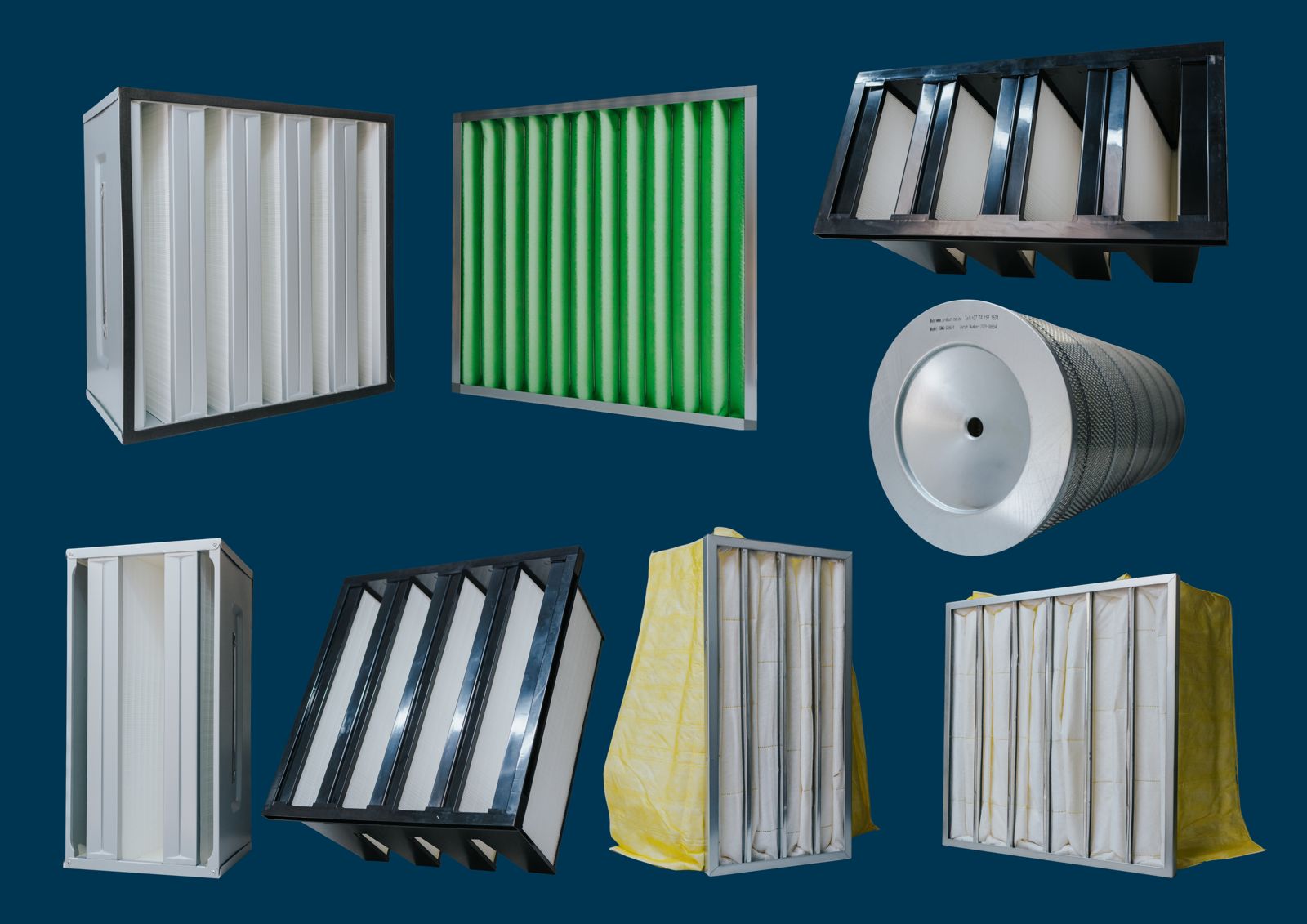
How often should you change your HVAC filters? The answer depends on where you are in South Africa and what type of filter you are running. A building on the Highveld will load filters two to three times faster than one on the coast. If you are running a multi-stage system with G4, F9, and HEPA filters, each stage has its own replacement rhythm.
This guide gives you practical intervals, explains why South African conditions differ from overseas guidelines, and shows you how to monitor your filters so you are changing them at the right time, not too early and not too late.
Quick Reference: Replacement Intervals by Grade and Location
Use this table as your starting point. The detailed sections below explain the reasoning behind each interval.
| Filter Grade | Highveld (Industrial) | Highveld (CBD/Suburban) | Coastal | Replacement Trigger |
|---|---|---|---|---|
| G4 Panel (595×595×48mm) | 6–8 weeks | 8–14 weeks | 3–5 months | 200–250 Pa |
| F9 Pocket 330mm (595×595×330mm) | 3–4 months | 4–6 months | 8–12 months | 400–450 Pa |
| F9 Pocket 600mm (595×595×600mm) | 4–6 months | 6–9 months | 12–18 months | 400–450 Pa |
| F9 V-Bank (592×592×292mm) | 5–7 months | 7–10 months | 12–20 months | 400–450 Pa |
| H14 HEPA (610×610×292mm) | 12–18 months | 12–24 months | 2–5 years | 500–600 Pa |
Intervals assume correct upstream filter maintenance. A fouled G4 will halve F9 service life. Differential pressure monitoring overrides all time-based estimates.
Why South African Conditions Demand Shorter Intervals
Highveld dust loads are heavier than European guidelines assume. Most filter manufacturer datasheets are based on European ambient conditions, so if you follow those recommendations in Gauteng or Mpumalanga, you will be changing filters too late.
The main factors:
- Coal combustion. Eskom’s coal fleet puts significant fine particulate across Gauteng and Mpumalanga. On heavy generation days, ambient PM2.5 levels in Johannesburg exceed WHO guidelines by a wide margin.
- Veldt fires. From June through August, seasonal fires produce heavy smoke loads. Filter loading rates during fire season can double or triple compared to other months.
- Mining and industrial dust. The East Rand mining belt, Vaal Triangle smelting operations, and cement plants all contribute elevated regional particulate.
- Construction activity. Most urban commercial buildings in South Africa sit near ongoing construction at some point. Construction dust can exhaust a G4 filter in weeks rather than months.
For coastal locations (Cape Town, Durban, Port Elizabeth), ambient conditions are considerably cleaner, and European-equivalent intervals are more realistic.
G4 Panel Filter Replacement Intervals
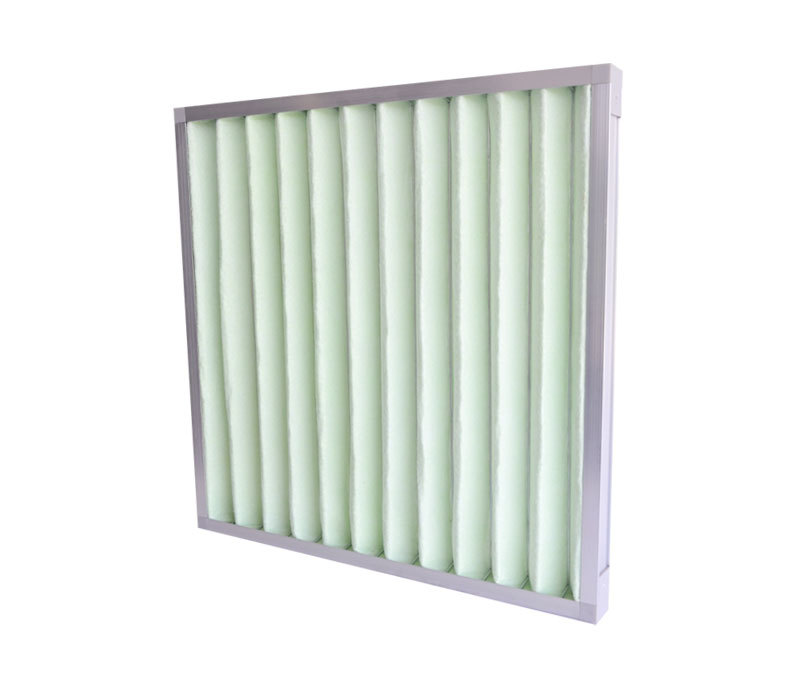
G4 panel pre-filters (595×595×48mm) should be replaced when differential pressure across the filter reaches 200–250 Pa at rated airflow.
Typical replacement intervals by location:
| Location | Typical G4 Interval |
|---|---|
| Highveld (industrial areas: East Rand, Vaal) | 6–8 weeks |
| Highveld (commercial CBD: Johannesburg, Pretoria) | 8–12 weeks |
| Highveld (suburban office) | 10–14 weeks |
| Cape Town, Durban (coastal) | 3–5 months |
| Fire season (anywhere on Highveld) | Halve your normal interval |
These are typical observed intervals, not manufacturer recommendations. The only reliable way to manage G4 replacement is differential pressure monitoring. A simple manometer or digital differential pressure gauge across the filter bank costs less than one premature F9 replacement.
Practical scheduling. For buildings without differential pressure monitoring, a 6-to-8 week first inspection schedule on the Highveld is a reasonable starting point. Check actual loading at each inspection and adjust based on what you find. After two or three cycles you will have a reliable site-specific interval.
F9 Pocket Filter Replacement Intervals
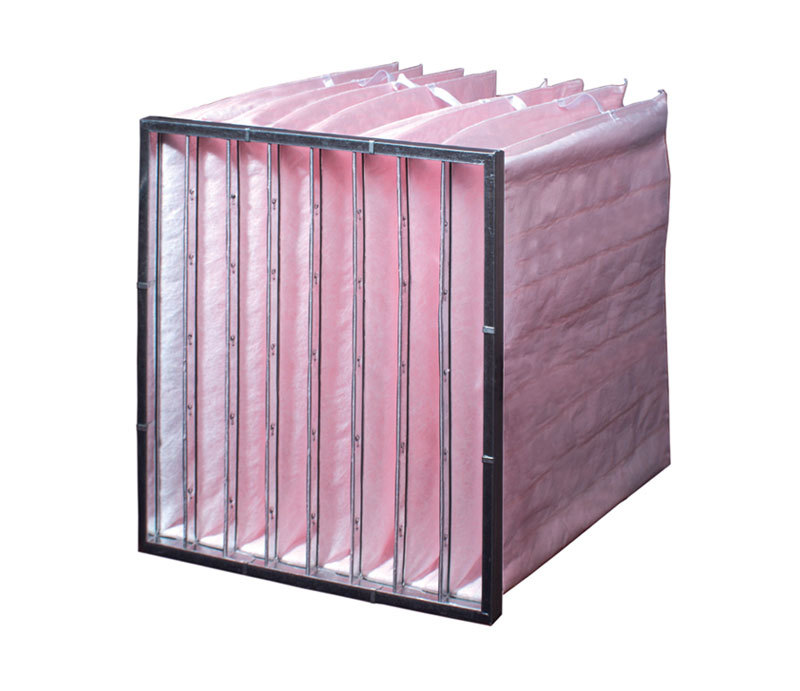
F9 pocket filters (595×595×330mm in the standard 6-pocket format) should be replaced when differential pressure reaches 400–450 Pa at rated airflow.
The 600mm deep format has lower initial resistance (105 Pa vs 225 Pa) and a correspondingly longer service life before reaching the replacement threshold.
The link to G4 condition is critical. F9 service life is directly determined by how well the upstream G4 is maintained. A G4 replaced on schedule lets the F9 carry only the fine particle load it is designed for. A G4 left past its service life dumps coarse dust onto the F9, and the F9 reaches its replacement threshold at a fraction of its rated life.
Typical replacement intervals (assuming G4 maintained):
| Location | G4 interval | F9 interval |
|---|---|---|
| Highveld (industrial) | 6–8 weeks | 3–4 months |
| Highveld (commercial CBD) | 10–12 weeks | 4–6 months |
| Coastal | 4–5 months | 8–12 months |
If your F9 filters are reaching their replacement threshold in less than 3 months despite regular G4 changes, investigate: you may have an air infiltration path bypassing the G4, or local ambient conditions may have changed.
H14 HEPA Filter Replacement Intervals
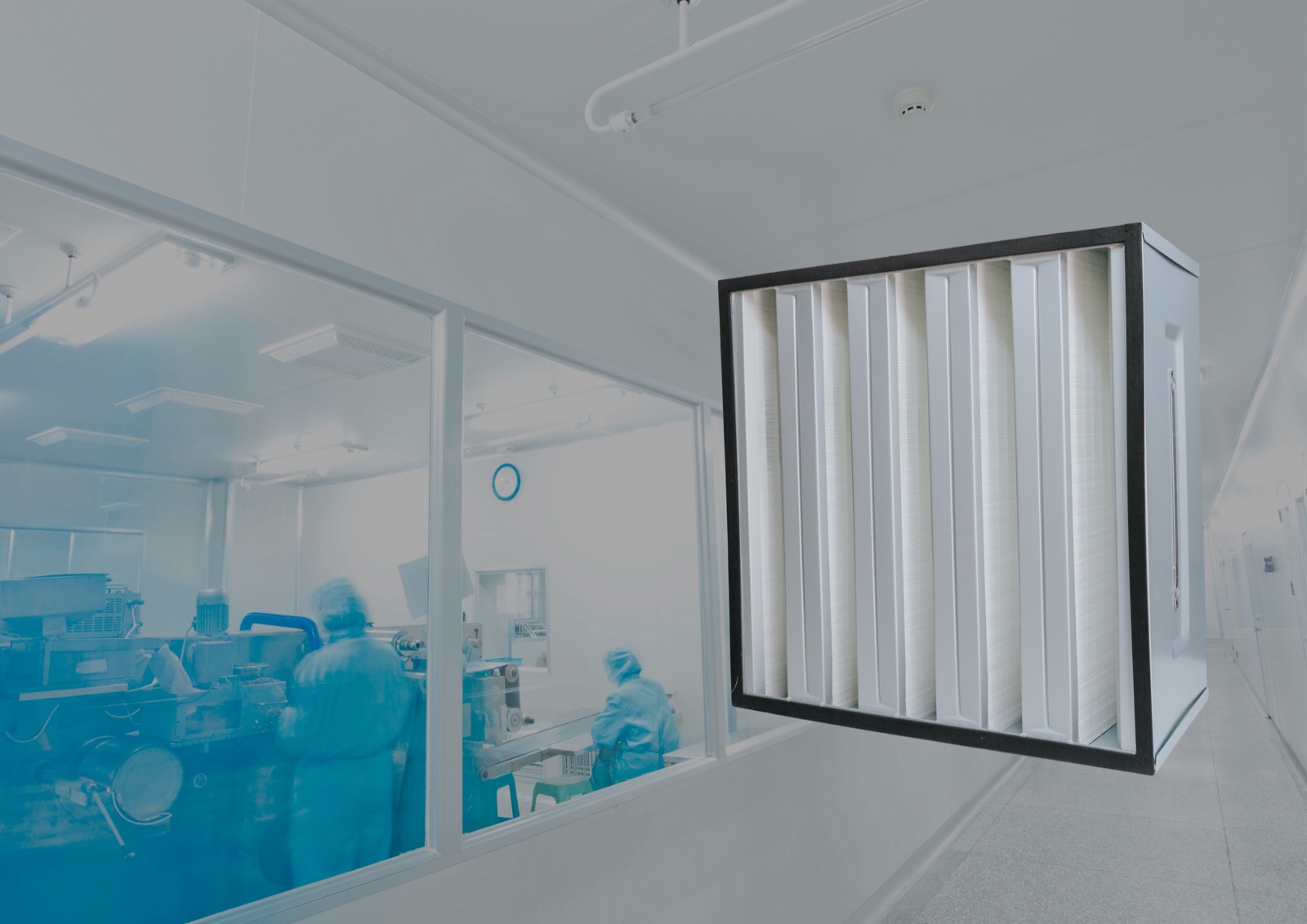
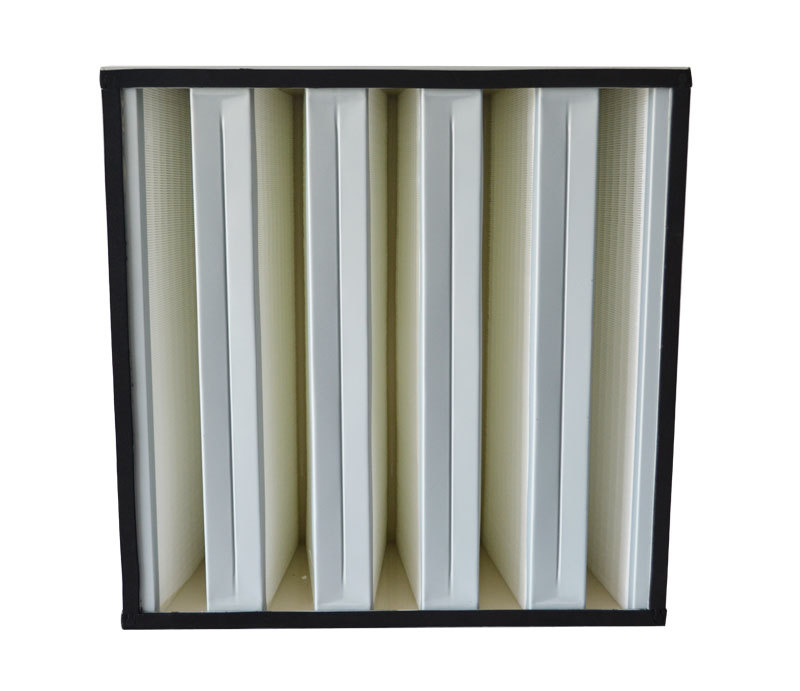
H14 HEPA terminal filters (610×610×292mm) in pharmaceutical cleanrooms and hospital operating theatres operate in a protected environment. The G4 and F9 stages upstream have already removed virtually all particulate before the air reaches the HEPA.
Typical HEPA replacement intervals:
| Application | Typical Interval |
|---|---|
| Pharmaceutical GMP Grade A | 12–18 months (differential pressure driven) |
| Hospital operating theatre | 12–24 months |
| Hospital general AHU HEPA | 2–3 years |
| Data centre critical zone | 2–5 years |
H14 filters in pharmaceutical applications are replaced at 500–600 Pa final resistance, but planned replacement is typically scheduled as part of annual or biannual validation rather than being purely pressure-driven. The replacement event must be documented and the new filter’s EN1822 test certificate logged to the validation file.
When upstream filters are neglected. If G4 or F9 changes are delayed, HEPA loading accelerates. A cleanroom where the F9 stage was not changed for 12 months will see the HEPA hitting its final resistance in 6 months. The cost of one HEPA replacement far exceeds the cost of staying on top of the pre-filtration schedule.
The Case for Differential Pressure Monitoring
Fixed time-based replacement schedules are operationally convenient but produce suboptimal results:
- A building near a construction site will exhaust a G4 in 6 weeks in summer but 14 weeks in winter
- A coastal office with clean ambient air wastes usable filter life if changed on an 8-week schedule
- A pharmaceutical cleanroom HEPA that has not been loaded by bypass air may run safely for 24 months, but a fixed 18-month schedule will change it regardless
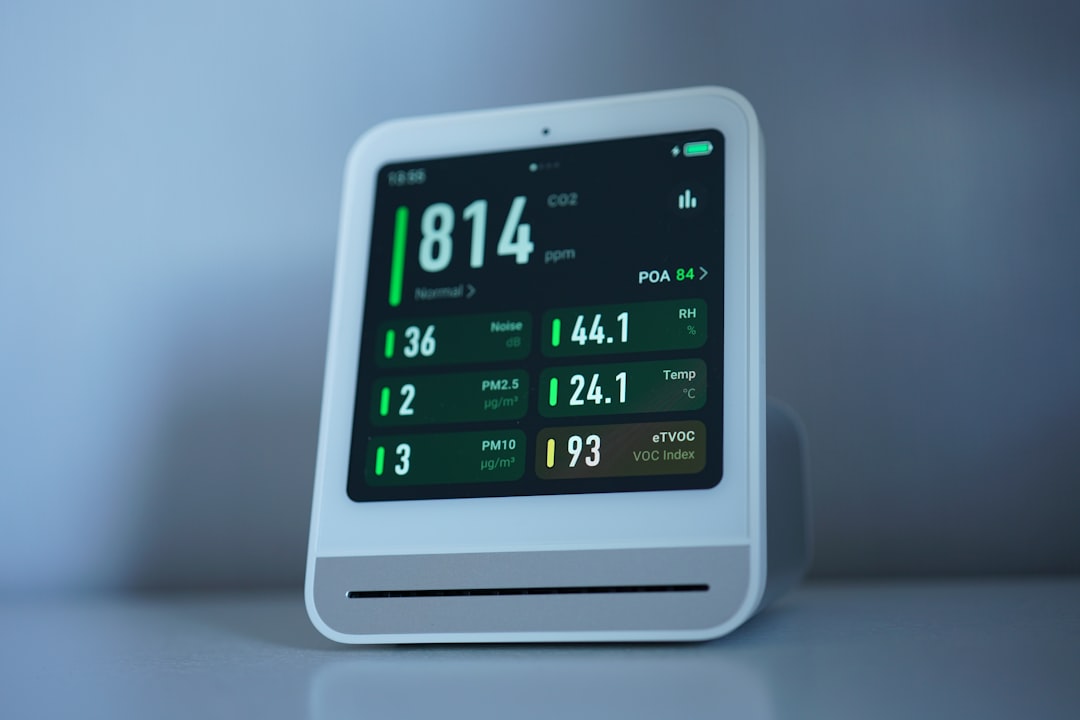
Differential pressure monitoring (even a simple magnehelic gauge) gives you an objective replacement trigger. It also provides documentation for compliance audits: you can demonstrate that filters were changed at the correct resistance reading, not just on a calendar date.
Recommended Maintenance Schedule: Highveld Commercial Building
For a standard commercial AHU on the Highveld (Gauteng) serving a typical office building:
- Weekly: Visual inspection of filter bank access panels. Record any signs of bypass, gasket failure, or filter collapse.
- Every 6–8 weeks: Check G4 differential pressure. Replace if ≥200 Pa. Record replacement date and previous differential pressure reading.
- Every 12–16 weeks: Check F9 differential pressure. Replace if ≥400 Pa. Ensure G4 was changed within the last 6–8 weeks before F9 replacement (a fouled G4 will reload the new F9 within days).
- Annually: Full AHU service including coil inspection, drain pan cleaning, belt check, and complete filter set replacement as a planned maintenance event regardless of differential pressure.
Keeping Replacement Filters on Hand
The most common cause of filter changes happening late is not having replacements on site before the maintenance visit. Contractors who order filters only when the building owner reports a blocked AHU are always playing catch-up.
Plan your stock around your maintenance schedule. For contractors managing multiple Highveld sites, Prebur holds G4 panel and F9 pocket filters in stock in Pretoria with same/next-day despatch. Call Nick on +27 74 159 1634 or email sales@prebur.co.za to discuss a trade account.
View product specifications: G4 Panel Filters · F9 Pocket & Bag Filters · H14 HEPA Filters · F9 V-Bank Filters
Need help selecting the right filter? Call Nick Els on +27 74 159 1634 or request a quote.
Need help choosing the right filter?
Speak to Nick Els for expert advice on filter selection, cross-referencing, and pricing for your facility.